Exploring the Art of Traditional Japanese Tattooing in a Modern Context
- Apr 30, 2025
- 4 min read
Tattooing has a rich and intricate history, and few styles are as revered and storied as Traditional Japanese tattooing. This art form, known as Irezumi, is characterized by its vibrant colored subjects with black background elements, flowing designs, and deep symbolism. In recent years, modern tattoo machines have transformed many aspects of the tattooing process, leading to debates on the purity of traditional methods versus contemporary techniques. This blog post explores why opting for Traditional Japanese style tattooing remains a compelling choice, even for those outside of Japanese heritage, and highlights the importance of finding an artist dedicated to this time-honored craft.

The Essence of Traditional Japanese Tattooing
Traditional Japanese tattooing, known as Irezumi, has a rich history that dates back centuries. This art form is deeply intertwined with Japanese culture and spirituality, often viewed as a means of personal expression and storytelling. The origins of Irezumi can be traced back to ancient times, where tattoos were used for various purposes, including marking social status and serving as a form of protection against evil spirits.
Throughout history, the designs used in traditional Japanese tattoos have evolved, reflecting the changing cultural landscape. Common motifs such as koi fish, cherry blossoms, and dragons are not merely decorative; they carry significant meanings and often reference Japanese folklore and mythology. For instance, koi fish are associated with perseverance and strength, while cherry blossoms symbolize the transient nature of life.
During the Edo period (1603-1868), tattooing became more prominent as a form of art, with skilled artisans developing intricate designs that adorned the bodies of individuals from various social classes. It was a time when tattoos were celebrated as a form of beauty, showcasing the artist's prowess and the wearer's personal narrative.
As Japan entered the Meiji era (1868-1912), the perception of tattoos began to shift. The government imposed restrictions on tattooing, associating it with criminality and social stigma. Despite these challenges, traditional tattooing endured, preserving its cultural significance and artistry.
Today, traditional Japanese tattooing is recognized worldwide for its unique aesthetic and profound cultural heritage. While modern techniques have emerged, the historical roots and symbolic meanings of Irezumi continue to influence contemporary practices, ensuring that this ancient art form remains vibrant and respected.
Why Choose Traditional Japanese Style Tattooing?
Authentic Cultural Appreciation
Opting for Traditional Japanese style tattoos does not require you to be Japanese; rather, it speaks to your appreciation of an art form rich in cultural heritage. By choosing this style, you engage respectfully with its history and symbolism. Each design you select can serve as a homage to the artistry and cultural evolution of tattooing in Japan.
You may find that these designs resonate on a personal level, providing insights and reflections that elevate the tattoo beyond mere aesthetics. Whether it’s a koi fish symbolizing perseverance or a cherry blossom representing the transient nature of life, the underlying meanings can hold significant personal value.

Mastery over Versatility
While many local tattoo artists may claim to have the versatility to execute various styles, the skill set and knowledge required to create authentic Traditional Japanese tattoos are distinct. Artists specializing in this style invest years mastering specific techniques, histories, and cultural nuances crucial to the craft.
When you choose an artist who focuses exclusively on Traditional Japanese tattooing, you are more likely to receive a tattoo that respects the intricacies of the art form.
The Case for Specialized Artists
The Unlimited Potential of Specialization
Choosing an artist who specializes solely in Traditional Japanese tattooing offers several advantages. Specialized artists have dedicated their careers to perfecting their craft, immersing themselves in the art, culture, and techniques necessary to produce outstanding work.
Jason Sexton and Cherise Farmer at Lucky Koi Tattoo in Idaho Falls exemplify this dedication to Traditional Japanese tattooing. Their years of experience and deep understanding of the symbolism ensure that each piece they create is not only visually stunning but also culturally and symbolically relevant.
The Importance of Technique
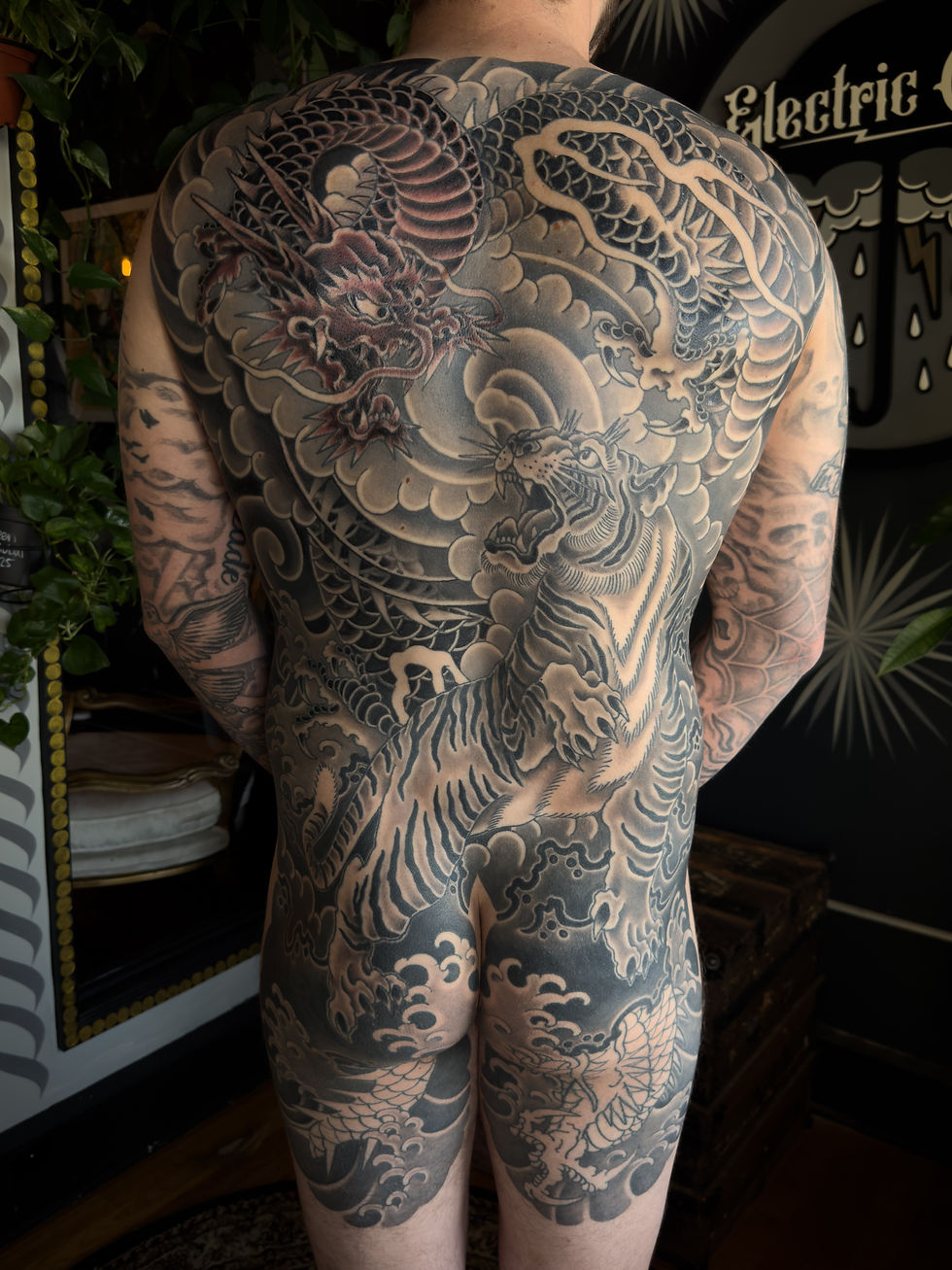
Tradition Meets Modern Technology
Historically, Irezumi tattooing has been applied using a technique called Tebori, a hand-poke method using a long shaft with groupings of needles attached at the end. The needles are inserted into the skin in an upward flicking motion, for lack of a better description. You can search Tebori videos on YouTube.
Along with most tattooers offering Irezumi, the artists at Lucky Koi Tattoo use modern machines and not the traditional techniques of Tebori.
Artists who specialize in this craft are often well-versed in not just the application but also the art history behind their work. Choosing an artist like Jason Sexton and Cherise Farmer means you are not only supporting skilled artisans but also gaining insights into the culture and symbolism of your tattoo.
Conclusion
In a world where tattooing has become mainstream, choosing Traditional Japanese style tattooing allows for a deeper connection to an ancient art form full of cultural significance. This style of tattooing is about more than just ink on skin; it embodies history, artistry, and spirituality.
When opting for such a tattoo, it is paramount to select an artist dedicated to this craft. Lucky Koi Tattoo in Idaho Falls, led by passionate artists Jason Sexton and Cherise Farmer, offers an exceptional experience rooted in traditional methodologies. By choosing to engage with Traditional Japanese tattooing, you open the door to a world of stories, symbolism, and personal exploration—an experience well worth pursuing.
With the right artist, your tattoo will not just be a mark on your skin; it will become a part of your story, intricately woven into the fabric of who you are.
With this understanding of Traditional Japanese tattooing, consider the profound meaning that may accompany your next tattoo, and choose wisely.
If you would like to dive deeper into the symbolism of Japanese design, you can start with our blog post about Koi fish. Koi Fish Tattoos: Meaning, Symbolism, and Common Questions Answered
Or if you would like to talk with and artist about weather or not a Japanese tattoo is right for you, scroll to the bottom of the page and fill out the contact form to inquire about a free consultation.


Comments